
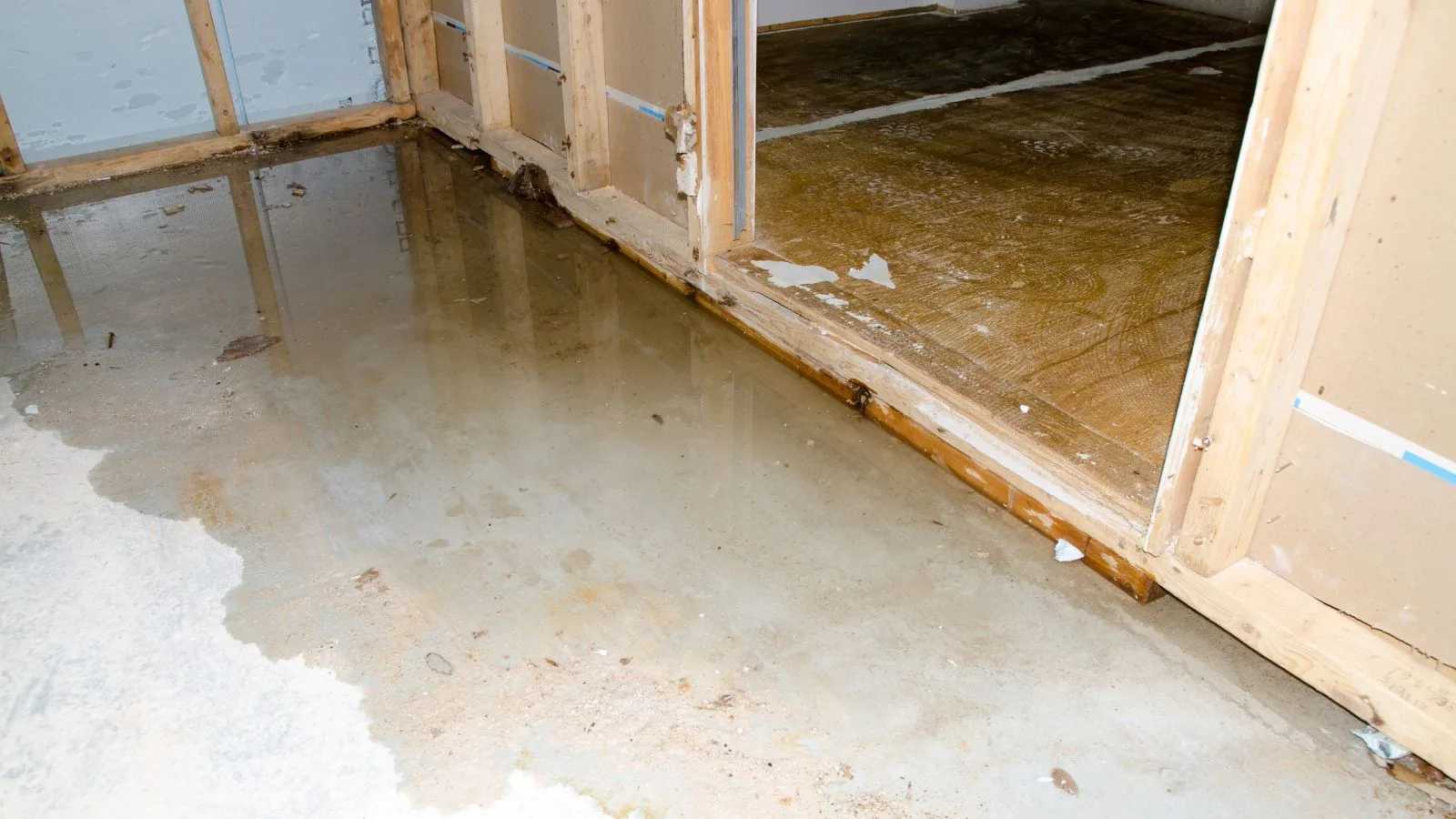
Water in a basement is an emergency because it sits where the electrical panel, furnace and water heater often are. The 24/7 line is open now. Stay out of standing water if the panel or outlets are in it, and call the utility or an electrician if you are unsure.
A basement can take water from the outside, through walls and floor seams, or from the inside, from a plumbing or appliance failure. The first question is which one it is, because it decides what happens next.
Rain from outside or a line from inside
Water that rises along the wall-floor joint after rain points to groundwater or a drainage problem. Water that appears with no rain points to a line, a heater or a sump pump that has failed. Callers describe both.
Heavy rain events matter here. On July 21, 2026, Mt. Juliet police, firefighters and public works answered 15 flooding incidents in one evening, and NWS Nashville has described dozens of Mount Juliet roads under several feet of water in the 2013 flash flood. When water enters from outside, the first fix is drainage, and the water already in the house is restoration.
Basement water sources
The source decides the category and the scope.
| Source | Typical sign | Water category |
|---|---|---|
| Groundwater through walls or floor | Wetness after rain | Category 2 or 3, treat as dirty |
| Sump pump failure | Standing water, pump quiet | Category 2 or 3 |
| Supply line or heater | Wet with no rain | Category 1 at first |
| Sewer or floor drain backup | Odor, dark water | Category 3, see sewage backup |
How the work runs
Crews extract standing water, then use moisture meters and thermal imaging to find water in concrete, framing and finishes. Carpet and pad usually come out, and finished walls are opened at the bottom where readings show water. Air movers and dehumidifiers dry the rest, and the cause of the water is addressed so the job does not repeat.
The way drying equipment works is explained on the structural drying page, which is useful in basements because concrete dries slowly.
Drainage versus restoration
The City of Mt. Juliet created a stormwater utility in November 2022 for drainage problems, and the charge has appeared on the monthly sewer bill since April 2023. Drainage on a lot, grading, gutters and a sump system are a city or contractor matter, and restoration does not do them.
Ask your insurer whether a flood policy applies, because standard homeowners policies usually do not cover rising water, and the National Flood Insurance Program has a 30-day waiting period before a new policy takes effect.
Basement taking water? Call the 24/7 line.
☎ Call (833) 521-1033What moves the cost
Basement cleanup is priced by depth, finish and cause.
- Water depth and duration. Inches of water for hours differ from a basement wet for days.
- Water category. Groundwater and sewer water change what can be saved.
- Finished or unfinished. Carpet, drywall and built-ins add scope.
- Drying days. Concrete and framing dry slowly.
- Rebuild scope. Flooring, drywall and paint after drying.
Insurance: Coverage is decided by the policy, not by the price of the repair. Sudden and accidental damage is often covered, gradual damage often is not, and flood is usually a separate policy. Ask your insurer. If you want the factors applied to your loss, call (833) 521-1033. Scope and price come first.
Nearby coverage
Coverage includes Mount Juliet and the Davidson County towns of Hermitage and Old Hickory. For a crawl space that holds water instead, see crawl space water damage.
Common Questions
Do you handle basement water damage emergencies at night or on weekends in Mount Juliet?
Yes. The phone line is open 24/7. Call when a basement is taking water, say how deep it is and whether the power is on, and the next steps are explained on the call.
Is it safe to go into a flooded basement?
Not if water reaches outlets, the panel or appliances. Turn off power at the main only if the breaker box is dry and reachable, or call the utility or 911.
Do you fix the cause, such as drainage?
No. Grading, gutters and sump systems are different trades. Restoration removes the water and dries and repairs what it damaged.
Will insurance cover basement flooding?
Standard policies usually do not cover rising water, and a flood policy does. Water from a burst pipe may be covered. Check your policy or ask your insurer.