
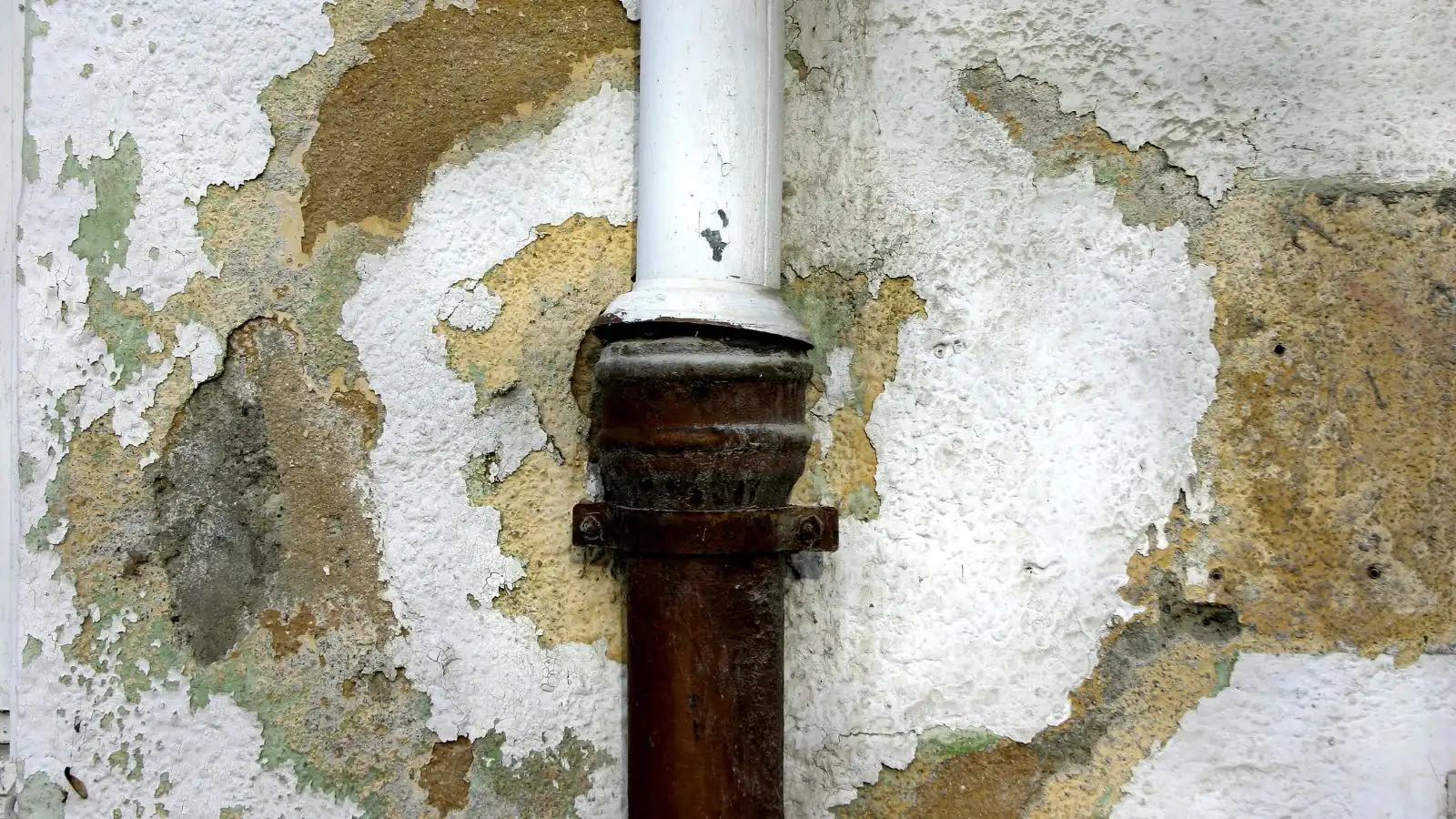
Drywall wicks water upward, so a wall that sat in an inch of water can be wet a foot above it. Signs of wet walls include stains, bubbling paint, soft or crumbling drywall, a musty smell and baseboards that lift.
The call is usually between drying in place and cutting out. This page explains how that is made and how the wall is repaired after it is dry.
What makes drywall fail
Gypsum drywall loses strength when wet and can grow mold within days if it stays damp. Insulation inside the cavity holds water and keeps the wall wet from the inside.
Clean water caught quickly can sometimes be dried through small openings at the base, using air movers and injection drying. Contaminated water or long exposure usually means the wet drywall is cut out.
Wall conditions and the usual call
Readings and the water category decide.
| Condition | Usual call | Why |
|---|---|---|
| Clean water, caught within a day | Dry in place | Drywall holds its strength |
| Soft or crumbling drywall | Cut out | It has lost structure |
| Wet insulation in the cavity | Remove and replace | It holds water for weeks |
| Sewage or floodwater | Cut out above the water line | Contaminated materials |
How the work runs
Crews measure moisture with meters and thermal imaging, then cut a flood cut, which is a straight cut above the wet line, only as high as readings show. Wet insulation is removed and the cavity dried with air movers and dehumidifiers.
Once the framing is dry, drywall is hung, taped, textured and painted. A permit may be needed for drywall after weather damage in Davidson County. Metro Nashville Codes requires a permit before installing drywall after weather damage, and an owner-occupant or a licensed contractor can pull it. Ask the local codes office about Mount Juliet's rules.
Where wall water comes from
Walls get wet from plumbing lines, roof leaks that run down the cavity, appliance failures and outside flooding. A kitchen sink leak is covered on the kitchen page, and a leak from above on the ceiling page.
Why painting over a stain fails
A water stain painted over without drying comes back, because moisture in the drywall and cavity keeps moving through the paint. Stain-blocking primer hides the mark and not the water, and the wall can grow mold behind the finish.
Check the wall with a moisture meter before any repair is closed up. A wall that reads dry against an unaffected reference is ready for drywall, tape, texture and paint, and one that does not needs more drying first.
If a stain returns after it was repaired, there is probably an active source above or behind it, such as a pipe, a window or a roof detail. Track that down before repainting.
Walls wet or stained? Call the phone line.
☎ Call (833) 521-1033What moves the cost
Wall repair cost follows height, area and finish.
- Height of the wet line. Cuts follow the readings.
- Insulation. Wet insulation is replaced.
- Area. A single wall is smaller than several rooms.
- Finish. Texture, paint and trim.
- Rebuild scope. Drywall, tape, texture and paint.
Insurance: What an insurer will pay depends on the cause and the policy. Sudden damage is often included, creeping leaks often are not, and floods usually need a flood policy. Ask before you assume. Describe your loss at (833) 521-1033. Scope and price are explained before any work begins.
Nearby coverage
The service area runs from Mount Juliet west to Hermitage and northwest to Old Hickory. For drying equipment, see structural drying.
Common Questions
Can wet drywall be dried?
Sometimes, if the water was clean and it is caught within a day. Soft drywall, wet insulation and contaminated water usually mean it is cut out.
How high do you cut the wall?
Only as high as moisture readings show, usually a few inches above the wet line.
Do I need a permit for drywall repair?
It depends on the jurisdiction. Metro Nashville Codes requires a permit before drywall after weather damage, so ask the local codes office for your address.
Will insurance cover wet walls?
Sudden and accidental damage is often covered. Check your policy or ask your insurer.