
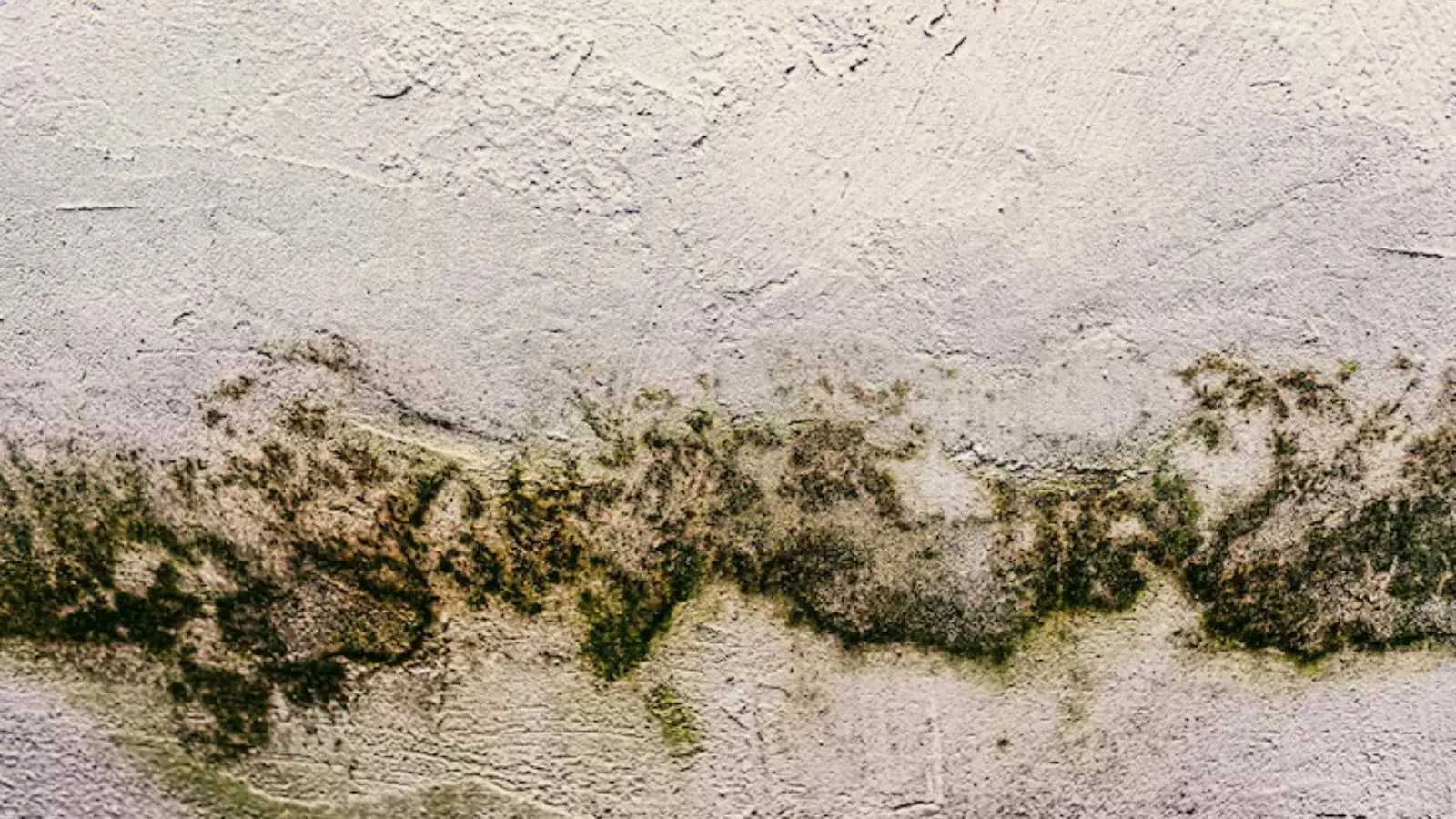
Mold remediation is the secondary service on this site. It follows a moisture problem, and it only works if the moisture is stopped first. If water is still present, start with water extraction or structural drying.
Mold work follows ANSI/IICRC S520, the industry standard for mold remediation. It describes how to contain the area, remove affected material and verify the result.
Musty smell, dark spots or a ceiling that stained again?
A musty odor, dark or fuzzy spots on drywall, ceilings or baseboards and stains that return after painting can all point to mold and the moisture behind it. The trade names are mold, mildew and microbial growth, and the fix begins with the water.
This page does not diagnose a health condition. If anyone in the house has symptoms, ask a physician.
What has to happen first
Mold needs moisture. A leaking line, a damp crawl space or a wet wall that was never dried will bring it back. A plumber or contractor stops the source, and the area is dried with air movers and dehumidifiers before remediation is judged complete.
Mold also grows behind surfaces that look dry. Moisture meters and thermal imaging help find wet areas that are not visible.
Growth and the usual response
The scale and material decide the plan.
| Situation | Usual response | Notes |
|---|---|---|
| Small surface growth on hard material | Clean and dry | Check the moisture source |
| Growth in drywall or insulation | Remove and replace | Porous materials are hard to clean |
| Growth across several rooms | Containment and removal | Negative air is often used |
| Growth with ongoing leak | Fix the leak first | Otherwise it returns |
Testing and clearance
Some jobs include testing before and after the work. A before test can show what is present, and a post-remediation test, often called clearance, shows whether the area has returned to a normal condition. An independent tester who does not do the remediation gives the most objective result.
Testing is optional on many jobs and required by some lenders or buyers. Ask the person who asked for it what standard they need before you order a test.
How remediation works
Crews isolate the work area with plastic sheeting, use air filtration with HEPA filters, remove affected porous materials and clean what can be saved. Air scrubbers run during the work, and surfaces are cleaned and dried before repair.
Rebuilding follows once the area is dry and, if wanted, cleared. Drywall and finish work follow the pattern described on the wall and drywall page.
Licensing and paperwork
Mold licensing rules vary by state and by job size. Ask whether your state licenses mold work for the job you have, and check any contractor at verify.tn.gov. Keep the scope, the photographs and any test reports.
Insurers often cover mold only when it follows a covered water loss, and some policies limit it. Check your policy or ask your insurer.
Found mold after a water problem? Call the phone line.
☎ Call (833) 521-1033What moves the cost
Mold remediation is priced by area, containment and materials.
- Area affected. A closet wall is smaller than several rooms.
- Containment. Sheeting, air filtration and negative air.
- Materials removed. Drywall, insulation and carpet.
- Testing. Optional before and after tests.
- Rebuild scope. Drywall, paint and flooring.
Insurance: Sudden, accidental water damage is a common covered cause, gradual leaks are a common exclusion and flood damage usually needs separate coverage. Your insurer has the specifics for your policy. Call (833) 521-1033 for the factors applied to your house, with scope and price explained first.
Nearby coverage
Mold remediation is available in Mount Juliet ZIP codes 37121 and 37122. Crews also cover nearby Hermitage and Old Hickory. Common sources include crawl space moisture and AC drain leaks.
Common Questions
Can mold be removed without fixing the leak?
No. Mold needs moisture, and it returns if the source is not stopped and the area dried.
Do I need mold testing?
Not always. Some lenders, buyers or insurers ask for a clearance test, so ask what they need before ordering.
I am selling my home or my lender asked about mold. What should I do?
Keep the scope, photographs and any clearance report. Ask the lender or buyer what documentation they require.
Does mold remediation cover health concerns?
No. This service removes growth from the building. For health questions, ask a physician.