
Structural drying is the part of water damage restoration that happens after the visible water is gone. The floor may look dry, but framing, subfloor and wall cavities hold moisture that only measurements show. Water mitigation is the broader term for stopping the water and drying the building, and drying is its longest step.
If you are asking whether the house is really dry, this page explains how that is decided.
Musty smell, warm walls or a floor that feels off?
A damp smell after a leak, walls that feel cool or clammy, paint that bubbles and floors that cup or lift all mean moisture is still inside. The trade name for the fix is structural drying, and it uses equipment you may hear running for several days.
If standing water is still present, start with water extraction. This page picks up after the water is out.
How drying equipment works
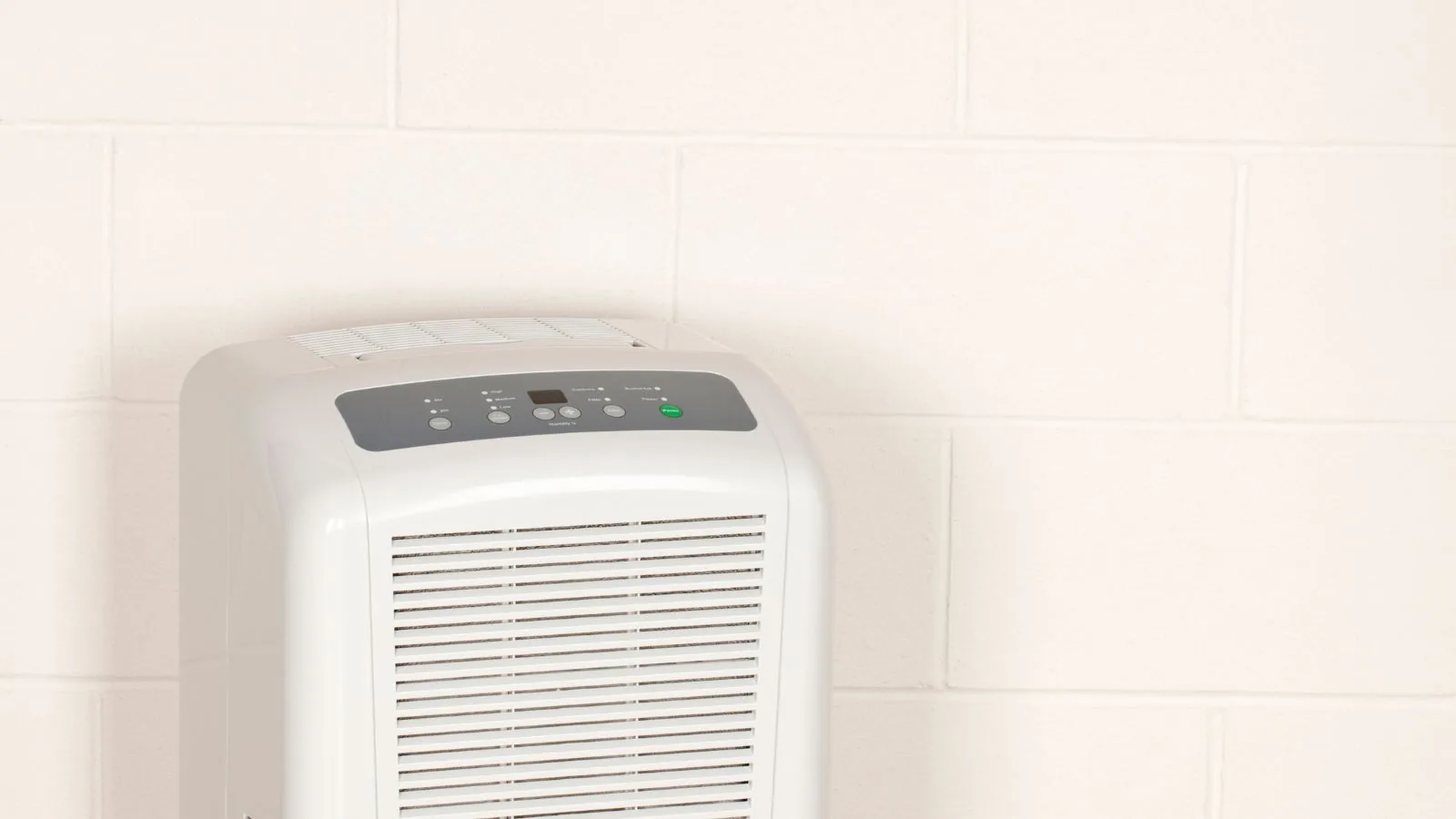
Water leaves materials as vapor. Air movers push dry air across wet surfaces, and dehumidifiers pull that vapor out of the air so it does not settle somewhere else. LGR dehumidifiers are low-grain refrigerant units made to dry air that is already fairly dry, which is the condition late in a job.
Specialty drying panels and injection systems move air into wall cavities and under floors without opening everything. Crews place equipment based on readings, not a formula.
What gets measured
Readings decide when drying ends.
| Measurement | Tool | What it shows |
|---|---|---|
| Material moisture | Moisture meter | Water content in wood, drywall, subfloor |
| Hidden pockets | Thermal camera | Cooler wet areas behind surfaces |
| Room air | Hygrometer | Temperature and humidity of the air |
| Dry standard | Unaffected reference material | The target for each material |
Drying days and why they vary
Many residential jobs reach the target in a few days, and dense materials such as hardwood, plaster and heavy framing take longer. The work follows ANSI/IICRC S500, the industry standard for water damage restoration, and readings are logged daily so the record shows what changed.
Ending drying early is the common mistake. A floor that was only surface-dry can cup and grow mold weeks later, which is why the meter, not the calendar, closes the job.
What you can do at home
Keep doors and windows as the crew instructs, since the system works well in a closed space. Do not turn off the equipment to save noise or power, and tell the crew if something stops working.
Record when equipment was set and removed. That record helps an insurer review the drying days.
Signs drying is not finished
Lingering odor after the equipment leaves, paint that blisters weeks later, baseboards that gap and floors that crown or cup are signs moisture stayed behind. Report them to the crew while the record of readings is still fresh.
A final reading round is the honest end of a drying job. It compares each wet material with its reference and shows the numbers, so the decision to stop is a measurement and not a guess.
Still damp after a leak? Call the phone line.
☎ Call (833) 521-1033What moves the cost
Drying cost follows area, materials and days.
- Area and materials. Square footage and what is wet.
- Equipment days. Air movers and dehumidifiers run until the target.
- Dense materials. Hardwood, plaster and framing take longer.
- Monitoring visits. Daily readings and adjustments.
- Rebuild scope. Repairs after drying.
Insurance: Whether this is covered depends on how it happened. Sudden failures are often covered, gradual leaks often are not, and floods usually need their own policy. Your insurer can answer for your policy. For a number that fits your own loss, call (833) 521-1033. Scope and price are explained first.
Nearby coverage
This page applies in Mount Juliet, and the same steps hold in Hermitage and Old Hickory. Wet carpet is covered on the carpet page and wet drywall on the wall and drywall page.
Common Questions
How do I know the house is dry?
Moisture meters and thermal imaging compare wet materials with an unaffected reference. A house is dry when readings reach that target, not when it feels dry.
Why do the machines run so long?
Water leaves dense materials slowly. Stopping early can leave moisture in the framing and subfloor, which leads to cupping and mold.
Is structural drying the same as water extraction?
No. Extraction removes standing water. Drying removes moisture held in the materials after it.
Will insurance cover drying?
Drying after a covered loss is often covered. Check your policy or ask your insurer, and keep the drying logs.