
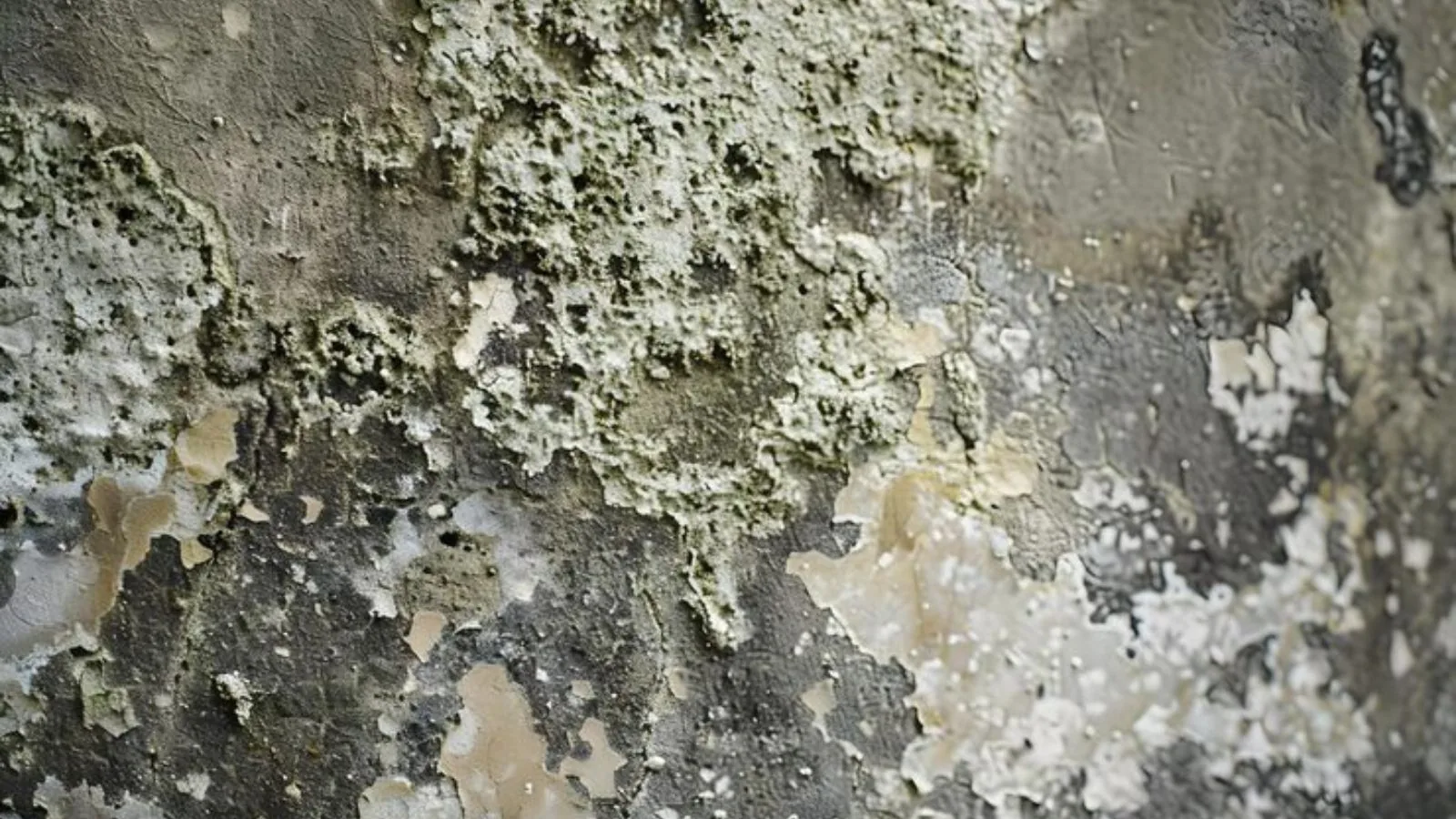
Mold coverage is one of the least predictable parts of a homeowners policy. Some policies cover it when it follows a covered water loss. Some cap the amount. Some exclude it unless you buy an endorsement. The only reliable answer is in your policy, and this page explains what to look for.
The cause of the moisture comes first
Insurers usually ask what caused the mold. Mold that grows after a sudden and accidental covered loss, such as a burst pipe, is more likely to be treated as part of that loss. Mold that comes from long-term humidity, a slow leak or neglected maintenance is more likely to be excluded.
That is the same line that decides water damage coverage. If you need a refresher on it, the guide on whether homeowners insurance covers water damage explains the pattern from the water side. For mold, the question is what the moisture came from and how long it was allowed to stay.
Limits, sublimits and exclusions
Many policies that do cover mold set a separate dollar limit for it, lower than the main coverage. Some exclude mold altogether and offer an endorsement to add it back. The words to look for are fungi, wet rot, dry rot and bacteria, which is how many policies describe mold.
Ask your agent three things: whether mold is covered, whether there is a sublimit and whether the policy covers testing as well as removal. Ask for the answer in writing.
Questions and where to find answers
Use the declarations page and the policy form.
| Question | Where to look |
|---|---|
| Is mold covered at all? | Exclusions section of the policy |
| Is there a dollar limit? | Declarations page or endorsement list |
| Is testing covered? | Mold or fungi coverage wording |
| Does coverage require a covered water loss first? | Wording that links mold to a covered cause |
| Is flood-related mold covered? | Flood policy, if you have one |
Why drying quickly helps both health of the house and the claim
The EPA advises drying water-damaged areas and items within 24 to 48 hours to prevent mold growth. Insurers generally expect you to protect the property after a loss, and a long delay in drying can raise the argument that mold resulted from neglect. Dry fast, and document the drying.
The structural drying page explains how moisture readings show that materials are dry, and the readings are useful documents for a claim.
What to document if mold appears
Photograph the growth and the area around it, note when you first saw it and what water event came before. Keep any plumber's report, moisture readings and the scope of any remediation. If a test is done, keep the report. The EPA says that in most cases, if visible mold growth is present, sampling is unnecessary, so ask why a test is wanted before paying for one.
Reading the policy language yourself
Policies are long, and the mold language is often buried in an exclusions list or an endorsement. Ask your agent for the full policy and the declarations page, then search for the words mold, fungi, rot and bacteria. Note whether the wording says the exclusion applies except when the mold results from a covered peril, because that phrase is what ties mold coverage to a covered water loss.
If an adjuster denies a mold claim, ask which section the denial rests on and request the explanation in writing. Policy wording, not general rules, decides, and written reasons make it possible to ask your agent or the state insurance department a specific question.
Keep every version of the policy you receive at renewal. Coverage wording changes from year to year, and the version in force on the date of the loss is the one that applies.
Found mold after a leak? Call the line and describe where it is.
☎ Call (833) 521-1033Remediation and your claim
Remediation follows ANSI/IICRC S520, the industry standard for mold remediation. If your insurer is involved, tell it before work starts and ask what documentation it wants. The mold remediation page explains what the work involves.
Selling or refinancing
A lender or buyer may ask for documentation that mold was addressed. Keep the scope, the photographs and any clearance report, and see the guide on mold clearance testing for what such a report shows. Nearby, homes in Hermitage and Old Hickory follow the same pattern.
Moisture and mold in this area
On July 21, 2026, Mt. Juliet police, firefighters and public works answered 15 flooding incidents in one evening, and on July 8, 2026 a creek overflowed into backyards on South Green Hill Road. Wet weather is a reminder that moisture in a home often comes from outside as well as from plumbing.
Because rising water is usually excluded from standard homeowners policies and handled by a flood policy, mold that follows outside flooding may be treated differently from mold that follows a burst pipe. Source type: local news and city public safety reports, plus state regulator guidance on flood coverage.
Common Questions
My mold followed creek water getting into the house. Is that covered?
It depends. Rising water from outside is usually excluded from a standard homeowners policy and handled by a flood policy, so mold that follows it may be handled under that policy or not covered. Ask your agent which policy applies and get the answer in writing.