
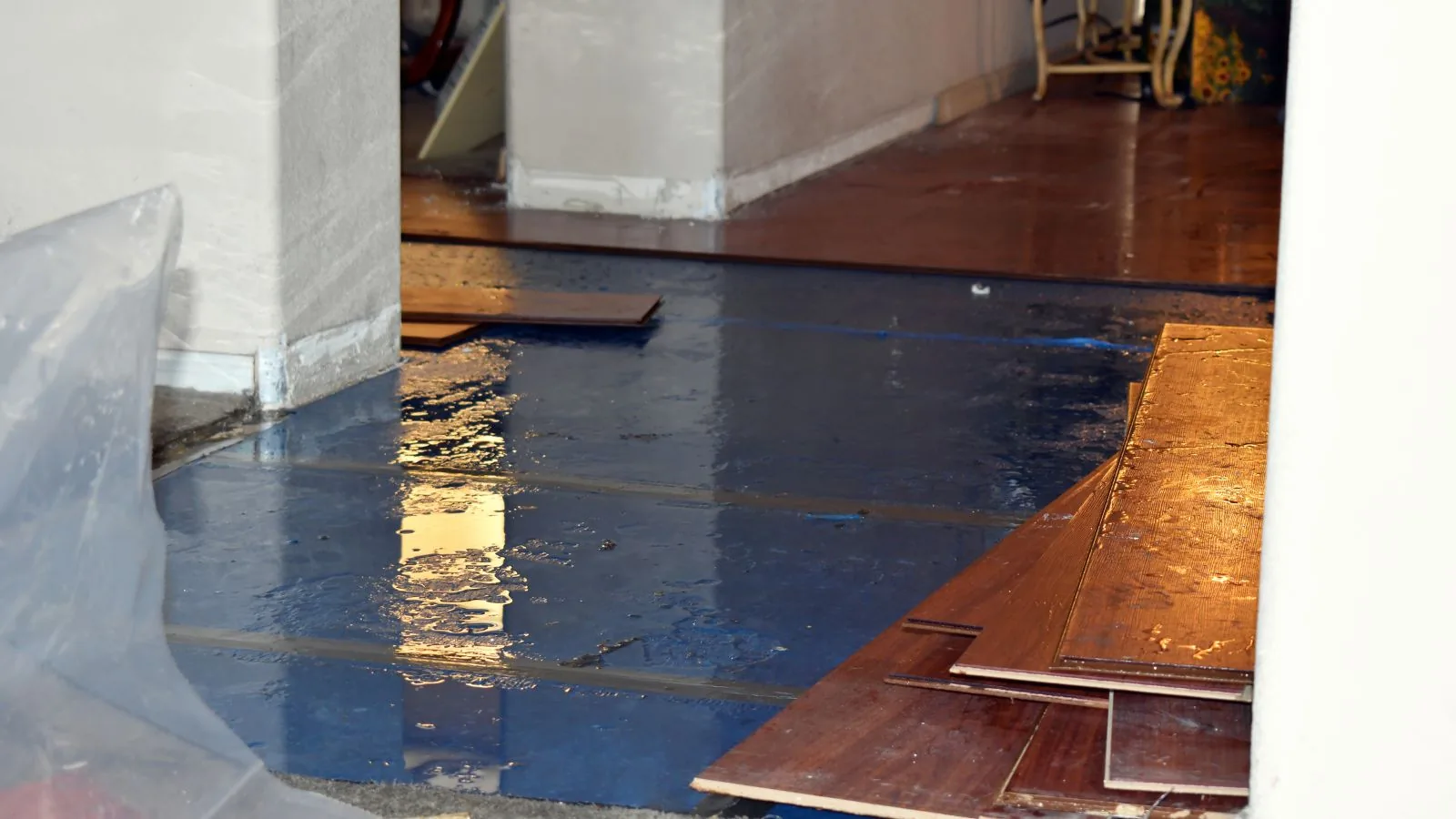
A leak that starts while you are home usually costs little, because you notice. A leak that starts while you are away can run for days and cost far more. The difference is time, and most of the steps below are ways to shrink it.
Pick the steps that fit the length of your trip and the season. A weekend away in July needs a shorter list than ten days in January.
Shut off the main for longer trips
For a trip of several days, closing the main water shutoff stops a burst line, a failed hose or a leaking tank from running. Open a faucet at the low point of the house briefly to drain the pressure, then close it. If you have a water heater, check whether your manufacturer recommends setting it to a vacation mode when the supply is off.
Some homeowners install an automatic shutoff valve with leak sensors. Ask a licensed plumber what fits your plumbing, and check the plumber's license at verify.tn.gov.
Keep the heat on in cold weather
In freezing weather, leave the heat on and set it to a temperature that keeps pipes in outside walls from freezing, and open cabinet doors under sinks on exterior walls. The state department's warning about neglect is a reminder that insurers look at what you did to prevent the loss.
The frozen pipe page explains what happens when a line thaws and what to do next.
Pre-trip checklist
A short list to run before you go.
| Item | What to do | Why |
|---|---|---|
| Main shutoff | Close it for trips of several days | Stops a burst line |
| Washer and dishwasher | Close their supply valves, do not run them as you leave | Hoses fail under pressure |
| Water heater | Check for rust, drips or an old tank | A failing tank can empty onto the floor |
| Heat in winter | Leave it on, open cabinets on exterior walls | Prevents frozen pipes |
| Gutters and downspouts | Clear them before storms | Prevents water against the house |
| Contact person | Give a key and your insurer's number | Someone can check in |
Appliances and hoses
Washing machine hoses and ice maker lines are common culprits. Replace old rubber hoses with braided ones, close the supply valves before a trip and do not run the dishwasher or washer as you leave. The appliance leak page describes what these failures do.
Small upgrades that pay off
Water sensors that sound an alarm or send a phone alert are inexpensive and sit on the floor near the water heater, under sinks and behind the washer. An alert on your phone while you are away cuts the time between failure and response from days to minutes.
Braided supply lines, a drain pan under the water heater and a shutoff valve at each fixture all limit the size of a failure. A plumber can add or replace these, and the work costs far less than a single wet floor.
A note on renters and landlords
If you rent, the same steps apply to what you control, such as appliances and heat. Tell your landlord about worn hoses or old heaters before you leave, and keep a copy of the message. Renters policies usually do not cover flood, so ask your insurer what yours covers and whether it includes personal property.
Whatever you own, take photographs of your home and valuables before you travel. Records made before a loss are the strongest evidence of what was there.
Came home to water? Call the line right away.
☎ Call (833) 521-1033Storms and the roof
Check the roof, gutters and window seals before the stormy season, and clear gutters so water moves away from the house. Ask a neighbor or friend to look at the roof line and ceilings after a heavy storm. A person who can check in is the strongest protection of all.
Give someone a plan
Give a trusted person a key, the location of the main shutoff and a number to call. Write the steps on a card: where the valve is, what to do first and who to call. A short, specific plan beats a vague promise to look in.
If you come home to water
Close the main if it is dry and safe to reach, keep away from electrical hazards, photograph everything and call the line. Call your insurer promptly and keep a log. Moisture and mold start quickly in a closed house, so the first day matters.
Nearby places
The same checklist works in Hermitage and Old Hickory.
Why neglect matters to claims
After Winter Storm Fern in January 2026, the Tennessee Department of Commerce and Insurance noted that frozen pipe damage might not be covered if negligence is involved, such as leaving the heat off. A house that is empty for days in a cold snap is the situation it described.
The department's general advice also applies to a trip in any season: document the damage, keep a log and call your insurer quickly. Source type: state regulator consumer release.
Common Questions
Should I turn off my water heater when I leave?
For a short trip it is usually fine to leave it on, and for a long one some manufacturers recommend vacation settings. Check your manual, and ask a licensed plumber if you are unsure. Closing the main protects against line failures either way.