
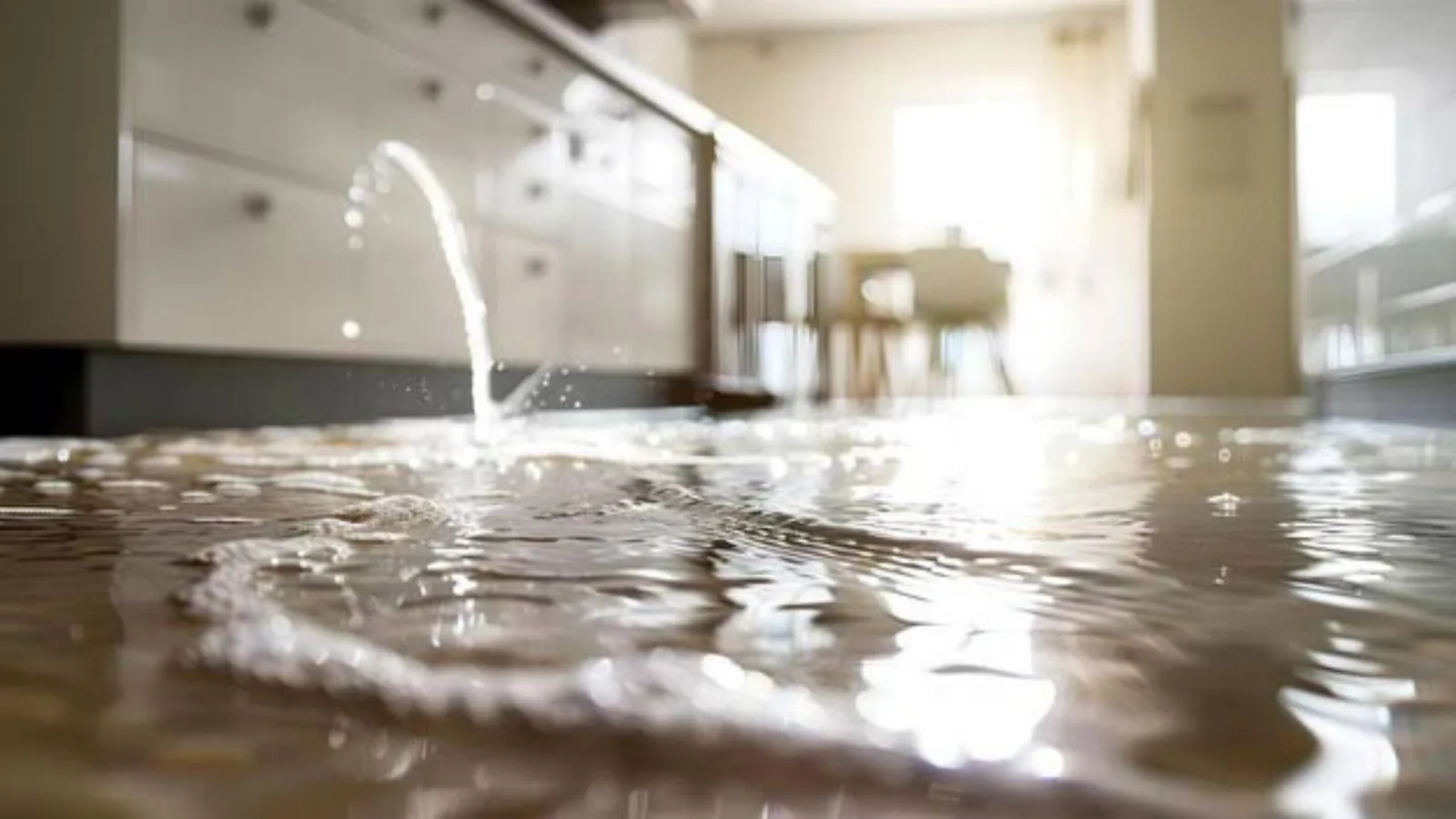
A small leak feels like a small decision. A damp spot under a sink, a stain on a ceiling or a wet corner of a laundry room can look like a few hundred dollars of repair. Sometimes it is. Sometimes the water has gone into the subfloor, the wall base and the insulation, and the real cost is several times the visible damage.
The choice about filing is yours and your insurer's, not this page's. What follows is a way to think about it, with the questions that matter.
Compare the likely cost with the deductible
Your deductible is the amount you pay before the insurer pays anything. If the repair is likely to be below it, a claim will not pay out. If it is only a little above, the payment may be small, and a claim may still be recorded on your history.
Find your deductible on the declarations page. Some policies set a separate, often higher, deductible for certain causes, so check whether water damage has its own.
Find out how much water there is first
The visible stain is the least reliable measure of the loss. Water moves along framing and under flooring before it appears. A crew with a moisture meter and a thermal camera can say whether the damage is limited to one area or has spread.
That information changes the decision. A leak that reads dry just outside the stained spot is a small repair. One that reads wet through a room is a different matter, and it is easier to document before the materials are removed.
A simple way to think about the choice
These are questions, not rules.
| Question | If yes | If no |
|---|---|---|
| Is the likely repair below the deductible? | A claim will probably not pay | A claim may be worth a call |
| Was the leak sudden? | Coverage is more likely | Coverage is less likely |
| Has water reached the subfloor or walls? | Scope may be larger than it looks | Repair may stay small |
| Is mold already showing? | Ask about mold coverage limits | Dry quickly to prevent it |
Reporting versus filing
Calling your insurer to ask a question is different from filing a claim, but some insurers record inquiries. Ask your agent how your company treats a call about a possible loss, and whether reporting an incident has any effect on renewal. The answer varies by insurer and by policy.
Regardless of your decision, document the damage and keep the failed part. If the leak turns out to be larger than you thought, you will want the record from day one.
Do not wait if water is still present
Standing water and wet materials do not stay small. The EPA's guidance is to dry water-damaged areas and items within 24 to 48 hours so mold does not take hold. If the area stays wet while you decide, the loss can grow, and policies generally expect you to protect the property from further harm.
The appliance leak page and the kitchen water damage page describe common small leaks that turned out to have run longer than anyone thought.
What a small leak can turn into
A drip that is ignored for a few weeks can wet the cabinet base, lift flooring and start mold, and the cost then covers all of it. Policies often treat that sort of long-running damage differently from a sudden failure, which can make it harder to claim than the original leak would have been.
That is the strongest argument for a quick look. A leak found and dried in the first day or two is usually the least costly version of the same problem, whether or not you file.
Not sure how much is wet? Call the line and describe the leak.
☎ Call (833) 521-1033When paying yourself can make sense
A clean leak caught within a day, confined to a small area and repaired at a cost below the deductible is a case many owners handle themselves. Dry the area completely, repair the source and document what you did in case a problem appears later. Photographs and a note of the date cost nothing and protect you.
If anything about the loss is unclear, such as an unknown source, a smell or a stain that returns, ask for a moisture check before you decide.
Nearby areas
The same reasoning applies in Hermitage and Old Hickory. Local rules differ for permits and utilities, but the decision about a claim depends on your policy and the size of the loss.
A leak is not always a small leak
Water damage is hard to size from the surface. The City of Mt. Juliet Utility Department bills sewer and operates a stormwater utility that was created in November 2022. Neither tells you how far a leak inside your wall has traveled.
That is why the first question is not whether to file but how big the loss really is. Moisture meters and thermal imaging can show water that is invisible. Source type: municipal utility information and general restoration practice.
Common Questions
Can a restoration company tell me whether the loss is big enough to claim?
A crew can measure how far the water traveled with moisture meters and thermal imaging and describe the likely scope. Whether to file is still a decision between you and your insurer, based on your deductible and policy.